

Top Portable Power Station Manufacturer Qingdao Chenyang Expands Energy Storage Solutions
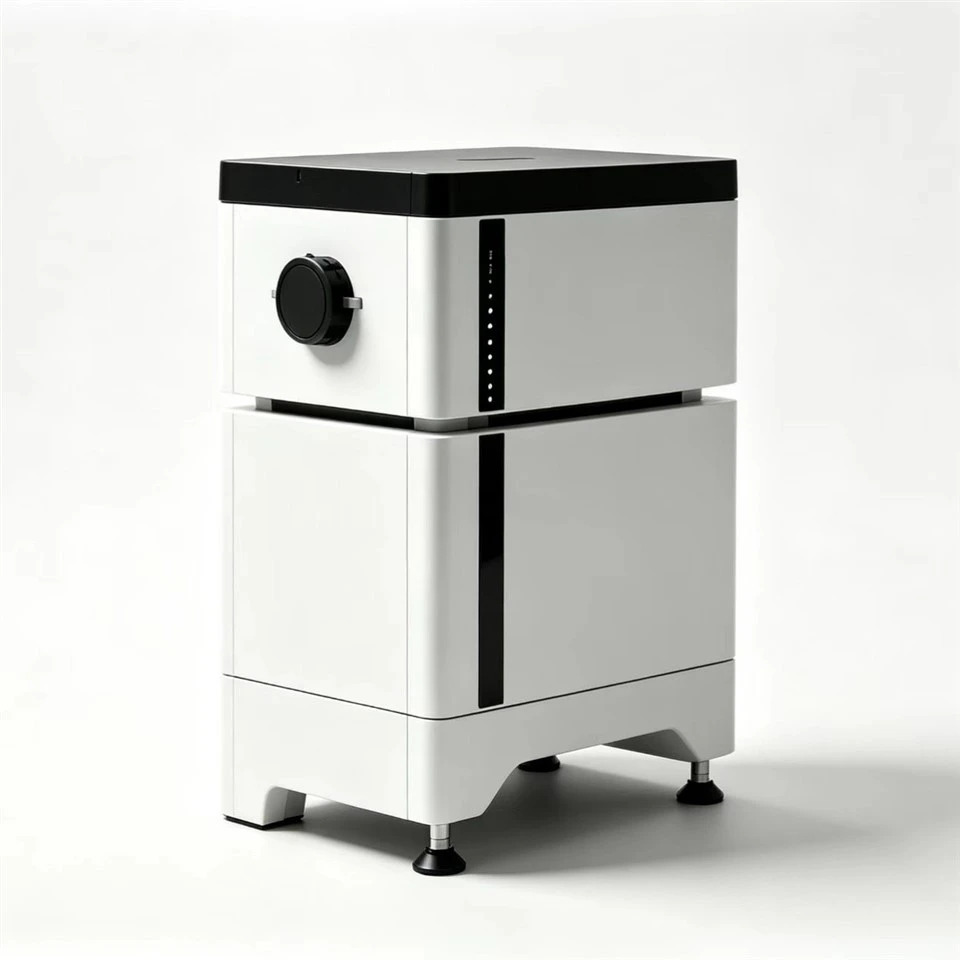
Outdoor Portable Power Station
QINGDAO, SHANDONG, CHINA, October 29, 2026 /EINPresswire.com/ --
As demand for flexible power supply and renewable energy storage continues to develop across residential, commercial, and outdoor markets, Qingdao Chenyang Electrical Technology Co., Ltd. is expanding its presence in the energy storage sector. Based in Qingdao, Shandong Province, China, the company focuses on the research, development, manufacturing, and sales of lithium-ion energy storage products. Its portfolio includes portable power stations, commercial and industrial battery energy storage systems, solar inverter chargers, and customized power battery packs. By combining energy storage technology with established manufacturing capabilities in metal processing and precision machining, the company is positioned to serve customers seeking integrated power solutions for a range of applications.
The portable power station market has developed alongside growing interest in outdoor activities, mobile work, emergency preparedness, and renewable energy. Consumers and businesses increasingly require power sources that can operate beyond conventional wall outlets, while commercial users may need dependable electricity for temporary worksites, remote operations, and backup applications. These requirements have encouraged manufacturers to develop products that combine rechargeable batteries, power conversion systems, monitoring functions, and multiple output options in compact or transportable formats.
For manufacturers, meeting these requirements involves more than assembling battery cells into an enclosure. Product development must consider energy capacity, output power, charging methods, battery management, thermal performance, mechanical protection, and the intended operating environment. These factors influence whether a power station is suitable for camping, mobile work, recreational vehicles, or emergency backup. Qingdao Chenyang Electrical Technology Co., Ltd. has established a product range intended to address several of these application areas, including outdoor portable energy storage and home backup power.
Portable Power Stations for Outdoor and Backup Applications
Portable power stations provide stored electrical energy for devices and equipment when grid electricity is unavailable or inconvenient. Depending on their specifications, they may supply power to lighting, communication equipment, laptops, small appliances, and other compatible loads. Outdoor users may value portability and flexible recharging, while households may prioritize backup capacity and the ability to support essential equipment during a temporary outage.
Qingdao Chenyang Electrical Technology Co., Ltd. presents portable power station products for outdoor, camping, and emergency power scenarios. Its published product portfolio includes portable charging stations for recreational vehicles, outdoor portable power stations, emergency portable power stations, and other energy storage configurations. The company also lists products designed for home backup applications, reflecting the range of situations in which portable or compact energy storage may be useful.
Battery chemistry is an important consideration when evaluating these products. The company's website identifies lithium iron phosphate, commonly known as LiFePO4 or LFP, cells in several portable power station listings. LFP batteries are widely used in energy storage because of their thermal stability and potential for long cycle life under appropriate operating conditions. Actual performance, however, depends on cell quality, battery management, charging and discharging conditions, temperature, and the design of the complete system.
For buyers, nominal battery capacity and continuous output power should be considered separately. Capacity, usually expressed in watt-hours, indicates how much energy a battery can store, while output power, measured in watts, indicates how much electrical power the system can provide at a given time. A station with a high capacity may support a device for longer, but it must also have sufficient rated output to operate that device. Buyers should therefore compare rated capacity, continuous and peak output, available connectors, charging time, weight, and the manufacturer's operating recommendations before selecting a product.
Charging flexibility is another factor in portable power station design. Depending on the model, energy may be replenished through a household electrical outlet, compatible solar panels, or other supported charging sources. Solar charging can be particularly relevant for camping, fieldwork, and remote locations where grid access is limited. The practical charging rate depends on the power station's input limits, solar panel output, sunlight conditions, and other system characteristics.
Solar Energy Storage System Solutions
Beyond portable products, integrated storage systems are becoming an important part of residential and commercial renewable energy projects. Solar photovoltaic panels generate electricity when sunlight is available, but generation and consumption do not always occur at the same time. Battery storage can retain some of the generated electricity for later use, while power conversion equipment helps manage the flow of energy between panels, batteries, loads, and the grid where the system supports grid interaction.
Qingdao Chenyang Electrical Technology Co., Ltd. includes Solar Energy Storage System products in its portfolio. Its website also identifies commercial and industrial battery energy storage systems, outdoor energy storage cabinets, and other configurations intended for applications such as backup power, microgrids, and solar-storage projects. These products address a different set of requirements from compact portable power stations, including larger energy capacity, integration with electrical infrastructure, and coordination with other system components.
The design of a Solar Energy Storage System requires consideration of both the amount of energy that must be stored and the power required by connected loads. For residential projects, the relevant factors may include daily electricity consumption, essential circuits, solar generation, backup duration, and available installation space. Commercial and industrial projects may additionally need to account for peak demand, operating schedules, equipment startup currents, and the consequences of power interruptions.
System integration is equally important. Battery packs, battery management systems, power conversion equipment, protection devices, monitoring functions, and electrical connections must operate together within their specified limits. The final configuration should be matched to the project rather than selected solely on the basis of a headline capacity figure. Appropriate installation, electrical protection, commissioning, and maintenance are also essential to safe and effective operation.
For project developers and equipment distributors, customization can help address these differences. Qingdao Chenyang Electrical Technology Co., Ltd. states that it supports customized projects and OEM and ODM services. Its published service information describes technical consultation, specification discussions, sample validation, production tracking, and after-sales support. Such arrangements can help business customers define system requirements before proceeding to larger orders.
Solar Inverter Charger Technology
Power conversion is a central part of a solar energy system because solar panels, batteries, and electrical loads do not necessarily operate at the same voltage or use the same type of current. An inverter converts direct current into alternating current for compatible AC equipment, while charging functions regulate the transfer of energy into a battery. In hybrid configurations, the system may coordinate solar input, battery charging, and utility power according to its design and settings.
The Solar Inverter Charger range offered by Qingdao Chenyang Electrical Technology Co., Ltd. includes hybrid inverter products intended for residential and small commercial photovoltaic applications. According to the company's published information, its portfolio includes 3 kW, 3.6 kW, and 5 kW hybrid inverter models, as well as 6 kW and 8 kW residential hybrid inverter options. The company also describes configurations using 48 V or 51.2 V battery architectures and products with built-in maximum power point tracking, commonly known as MPPT, charge controllers.
MPPT technology helps a photovoltaic system operate at a suitable point on the solar panel's voltage-current curve to improve the energy collected under changing sunlight conditions. Its effectiveness depends on the controller's specifications and the compatibility of the connected solar array. Hybrid inverter functions can also simplify energy management by combining several conversion and charging operations in one unit, although available operating modes differ by model.
For buyers comparing inverter products, rated output power is only one part of the specification. Battery voltage, solar input voltage range, maximum photovoltaic input current, charging current, output waveform, efficiency, protection functions, and grid compatibility can all affect suitability. Wi-Fi monitoring or other communication functions may also be relevant when users need to observe operating status or review energy flows remotely.
Selecting an inverter charger requires careful coordination with the battery and solar array. An inverter must be compatible with the battery's voltage range and charging requirements, while the solar array must remain within the inverter's permitted input limits. Buyers should also confirm whether a specific model supports the intended off-grid, backup, or grid-connected configuration and whether additional equipment is required.
Manufacturing and Quality Considerations
Energy storage products combine electrical components with mechanical structures that protect the internal system during transport, installation, and operation. The enclosure must accommodate battery modules, wiring, electronic components, ventilation or thermal management provisions, and any required access or mounting features. Mechanical integrity is particularly relevant for portable products, which may be moved frequently and exposed to vibration or impacts during normal use.
Qingdao Chenyang Electrical Technology Co., Ltd. states that its energy storage operations benefit from its parent group's experience in sheet-metal processing, CNC machining, die-casting, injection molding, and surface finishing. These capabilities support the manufacture of structural components and enclosures, while battery assembly and electrical testing address other parts of the production process. Integrating these capabilities can help coordinate mechanical design and electrical assembly within a product development project.
The company's published factory information describes standardized battery PACK assembly workshops, an independent reliability testing laboratory, an aging test area, and a finished-goods warehouse. It also lists equipment for battery cell testing, battery module assembly, battery management system testing, charge-discharge aging, environmental testing, vibration testing, and end-of-line performance inspection.
Quality management for energy storage products should extend across the complete manufacturing process. Incoming battery cells and electronic components need to be checked against specifications; assembly operations require appropriate process controls; and finished products should undergo tests relevant to their design. These measures can help identify inconsistencies before shipment, although specific test procedures and acceptance criteria vary by product and customer requirements.
Battery safety also depends on the design and performance of the battery management system. A BMS monitors relevant battery parameters and can help control charging and discharging within permitted limits. Protection functions, temperature management, electrical insulation, enclosure design, and suitable operating instructions contribute to overall product safety. No single feature replaces the need for a complete, model-specific safety assessment.
The company lists CE, UN38.3, MSDS, and RoHS-related documentation or credentials on its website, alongside other displayed certification information. Buyers should confirm the precise scope, validity, and applicability of each document for the specific model, destination market, transport method, and intended use. Certification and compliance requirements may differ between portable products, stationary storage systems, and individual components.
Customization and International Supply
International buyers often require products that match local electrical standards, installation conditions, branding requirements, and customer expectations. OEM and ODM services can provide options for adapting product specifications, exterior design, communication functions, battery capacity, and labeling, subject to engineering feasibility and applicable regulations.
Qingdao Chenyang Electrical Technology Co., Ltd. describes support for OEM and ODM projects and outlines a service process that includes technical consultation, sample validation, mass production, and after-sales assistance. Its website also identifies global markets including Europe, North America, Australia, Southeast Asia, Japan, the Middle East, and Latin America. These statements indicate the company's intended international business reach; buyers should confirm current export availability, delivery schedules, and market-specific documentation during supplier discussions.
For distributors and system integrators, early communication about the intended application can reduce the risk of specification mismatches. Relevant details may include load requirements, expected operating duration, charging sources, installation environment, ambient temperature, communication needs, transport restrictions, and local compliance obligations. Clear specifications also make it easier to compare quotations on a like-for-like basis.
After-sales support is another consideration for long-term projects. Product documentation, warranty terms, spare-part availability, troubleshooting procedures, and access to technical personnel can influence the overall ownership experience. The company states that it provides technical support and corrective suggestions in response to reported quality issues. Buyers should establish the applicable service response times and warranty conditions in writing before confirming an order.
As the portable power and renewable energy markets continue to evolve, manufacturers will need to balance product portability, electrical performance, battery safety, customization, and supply reliability. Portable power stations address mobile and temporary power needs, while integrated storage systems and inverter chargers support broader solar energy applications. Each product category serves a different purpose, and successful deployment depends on selecting equipment that matches the project's actual requirements.
Against this background, Qingdao Chenyang Electrical Technology Co., Ltd. brings together energy storage product development and manufacturing resources in a portfolio covering portable power stations, Solar Energy Storage System solutions, Solar Inverter Charger products, and customized battery packs. Its combination of battery assembly, structural manufacturing, testing capabilities, and OEM and ODM services provides a foundation for serving distributors, equipment integrators, and project customers seeking tailored energy storage products.
About Qingdao Chenyang Electrical Technology Co., Ltd.
Qingdao Chenyang Electrical Technology Co., Ltd. is a new-energy enterprise based in Jimo District, Qingdao, Shandong Province, China. The company focuses on the research, development, manufacturing, and sales of lithium-ion energy storage products. According to its published company information, the parent group's manufacturing background dates to 2007, while the energy-storage subsidiary was established in 2024. The company reports that its energy storage assembly workshop and reliability testing laboratory were developed in 2025, followed by the launch of a broader product portfolio in 2026.
Its main products include portable outdoor power stations, commercial and industrial battery energy storage systems, Solar Energy Storage System solutions, Solar Inverter Charger products, and customized LFP power battery packs. The company describes manufacturing resources covering battery PACK assembly, battery management system testing, aging tests, environmental testing, and finished-product performance inspection. It also offers OEM and ODM services for customers seeking customized energy storage configurations.
For product specifications, customization discussions, and further information about its manufacturing and service capabilities, interested buyers can visit the company's official website at www.cyenergystorage.com. Through its combination of structural manufacturing experience and energy storage product development, Qingdao Chenyang Electrical Technology Co., Ltd. participates in the supply chain serving portable power, solar storage, and backup electricity applications.
Address: No. 5 Yunshui 2nd Road, Jimo District, Qingdao City, Shandong Province, China
Official Website: https://www.cyenergystorage.com/
Xin Xu
Qingdao Chenyang Electrical Technology Co., Ltd.
e-sales01@chenyangmfg.com
Legal Disclaimer:
EIN Presswire provides this news content "as is" without warranty of any kind. We do not accept any responsibility or liability for the accuracy, content, images, videos, licenses, completeness, legality, or reliability of the information contained in this article. If you have any complaints or copyright issues related to this article, kindly contact the author above.
