
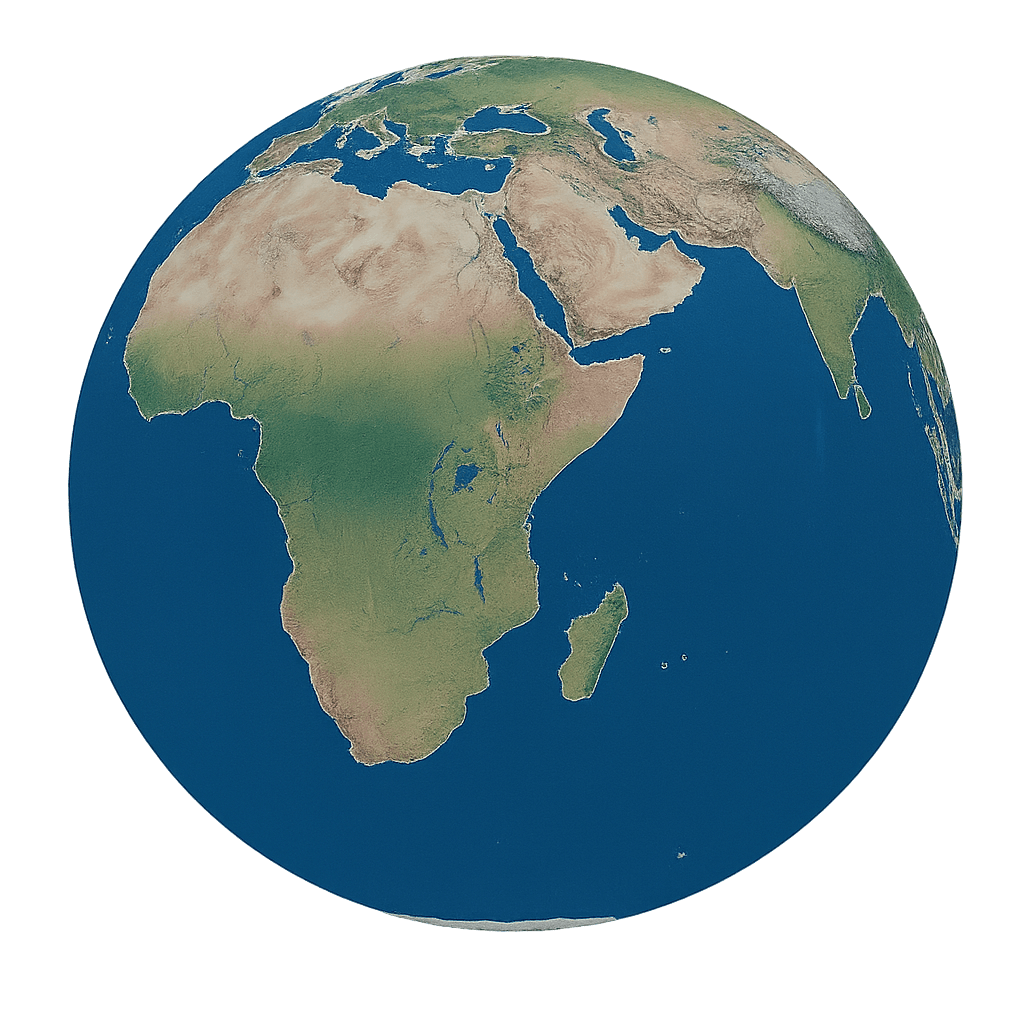
Japanese Culture in Wetland City NIIGATA: Traditions and Creativity Shaped by Lakes and Wetlands
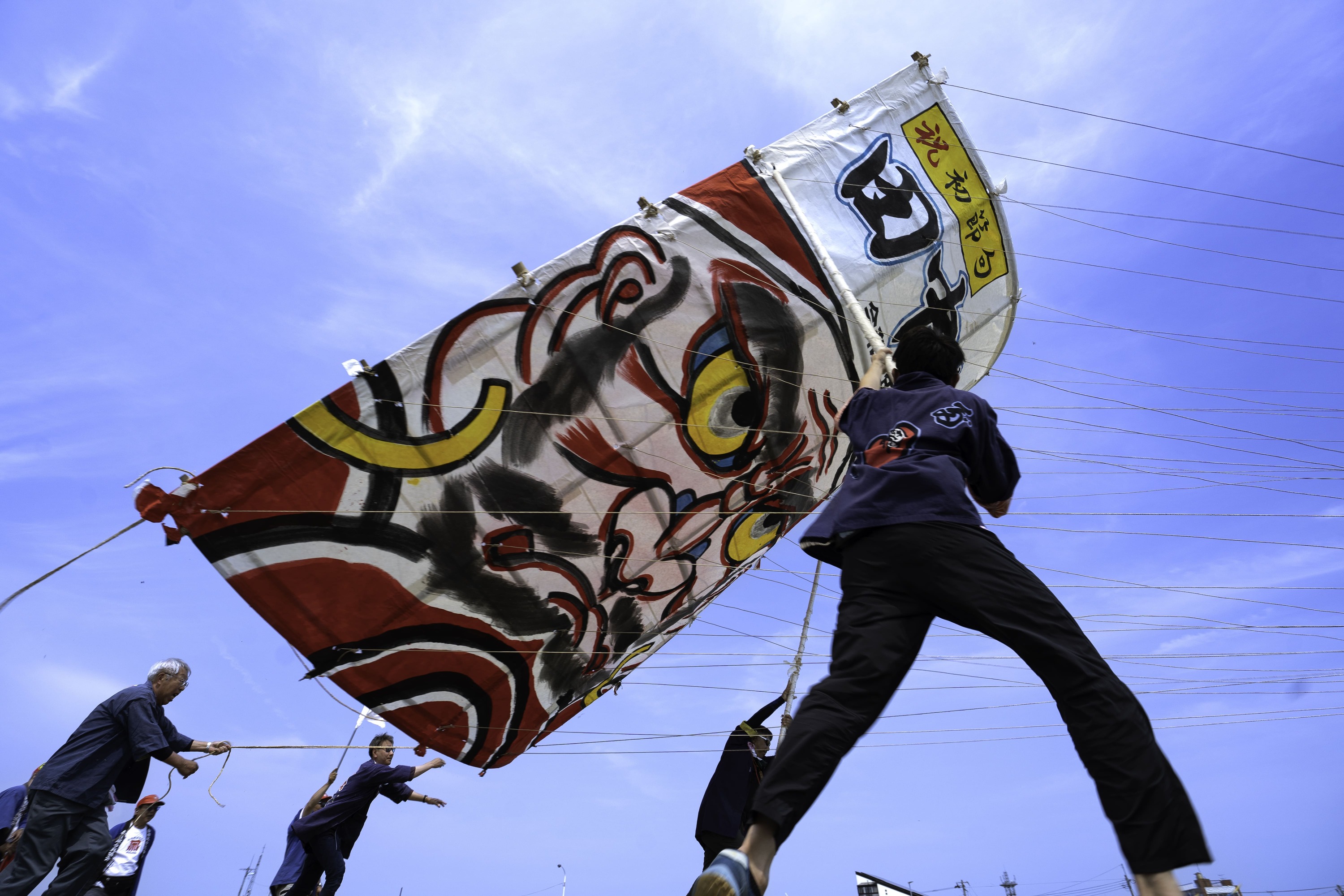
The historic Shirone Giant Kite Battle, a beloved early-summer tradition in Niigata City.
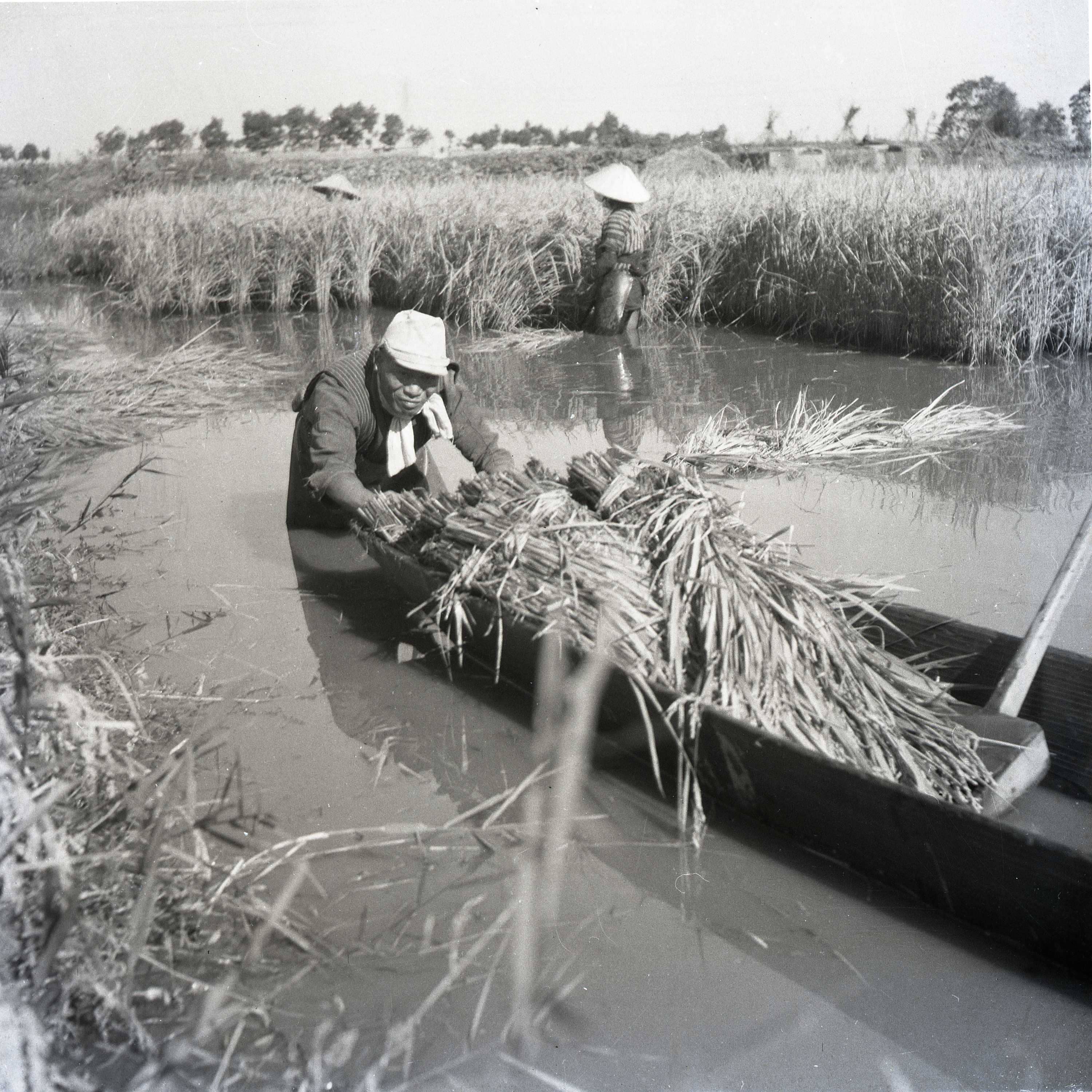
Agricultural work in Ashinuma, Kameda village, where farmers once worked waist-deep in mud. (Photo credits: Kihachi Homma)
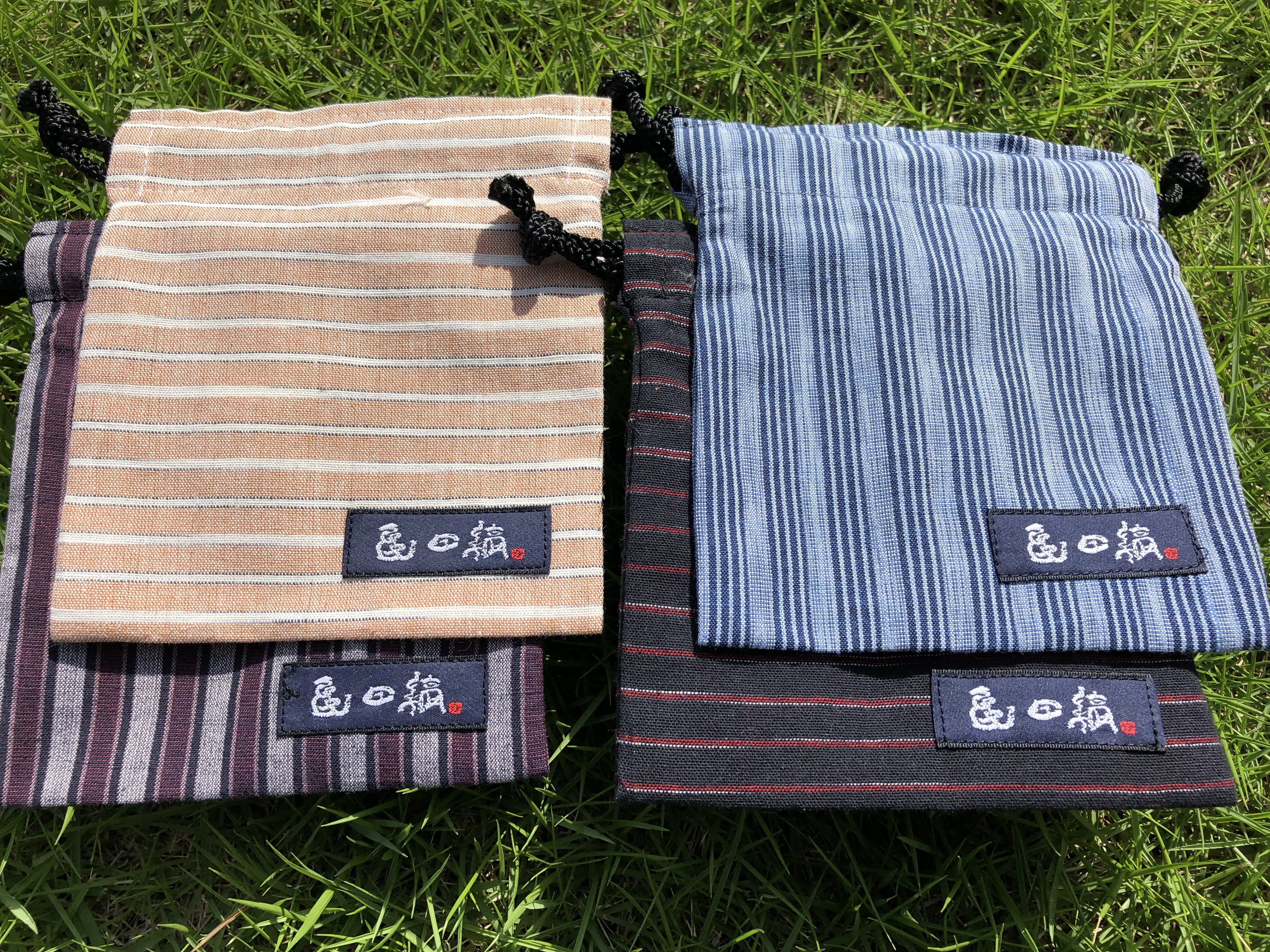
Kameda stripes, a traditional textile revived in the modern era.
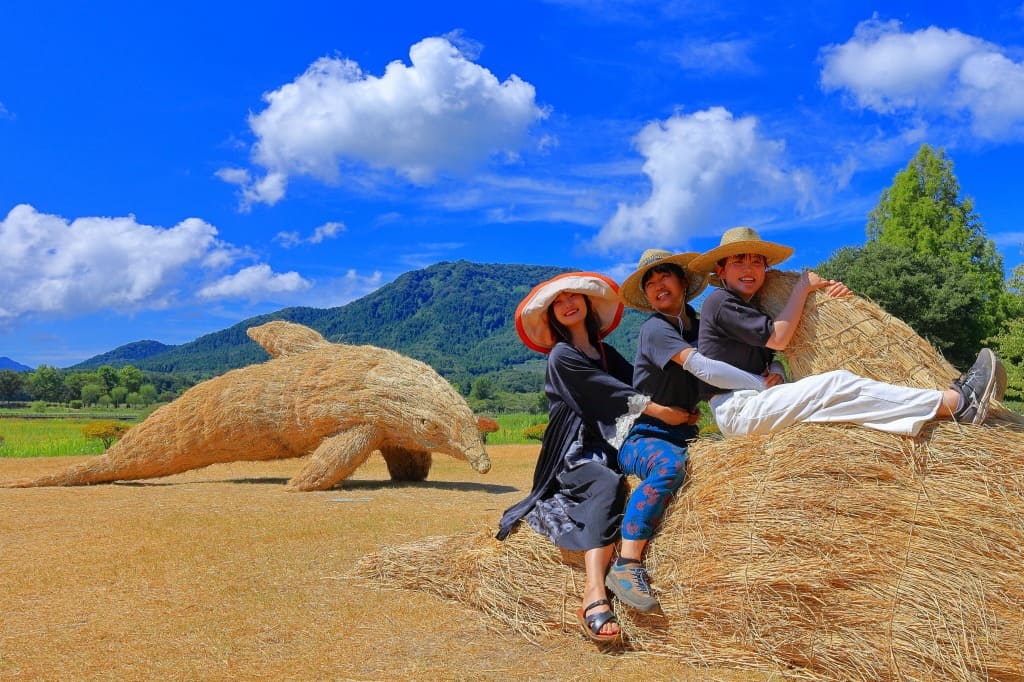
Unique Wara Art Sculptures made from rice straw at Uwasekigata Park in Niigata City.

Hanano Komachi (left) and Sasadangoro (right), Support Characters for “Manga and Anime City Niigata,” Touring the Wetlands on the City's Symbolic Swan
From traditions shaped by lakes and wetlands to manga and anime, Niigata City preserves both historic and contemporary cultural heritage.
NIIGATA CITY, NIIGATA, JAPAN, August 7, 2026 /EINPresswire.com/ -- For centuries, the people of Niigata City have lived alongside water, developing a rich variety of cultural traditions that continue to be preserved today. At the same time, newer forms of cultural expression, including manga and anime, have flourished in the city. This release introduces some of the cultural heritage and creative traditions that define Niigata City.
Life Developed Alongside Lakes and Wetlands
The Echigo Plain, where Niigata City is located, was formed approximately 6,000 years ago through rising sea levels during the Jomon period and the accumulation of sediment carried by the Shinano and Agano rivers. Sand dunes developed along the coastline, while numerous lakes formed inland, creating the distinctive landscape that characterizes the region today.
People have lived alongside these waters for centuries, relying on hunting, fishing, and other natural resources provided by the environment. From the late Sengoku period through the early Edo period, wetland reclamation progressed and many agricultural settlements were established.
However, the region's low elevation and poor drainage also exposed residents to frequent flooding and prolonged inundation.
Rather than simply battling water, local communities learned to make use of its benefits. Fish such as crucian carp and carp, waterfowl, reeds, and other wetland plants provided food and daily necessities. Nutrient-rich sediment that accumulated on lake bottoms was repeatedly used to raise farmland and improve soil fertility. Farmers collected the sediment by boat using tools known as joren, transported it ashore, dried it, and incorporated it into agricultural fields.
Boats played an essential role not only in transportation and fishing but also in farming, commerce, and the movement of goods. Water was central to both daily life and economic activity. Respect for the natural environment was also reflected in local legends featuring giant turtles and serpents, helping shape a cultural tradition rooted in coexistence with nature.
Although many of these benefits were temporarily lost due to water pollution during the modern era, environmental improvements led by local communities have helped restore both the natural environment and people's connection with it. The way of life developed alongside lakes and wetlands continues to be passed down today.
Cultural Traditions Connected to Wetlands
Beyond providing habitat for wildlife, Niigata's wetlands have also served as the setting for generations of cultural development. Many traditions inspired by these landscapes continue to be practiced today, while new initiatives have emerged that draw upon the region's environmental heritage.
Shirone Giant Kite Battle
The Shirone Giant Kite Battle is one of Niigata Prefecture's most recognizable traditional events. Giant kites measuring the equivalent of 24 tatami mats are launched from opposite banks of the Nakanokuchi River and maneuvered into aerial contests in which participants attempt to sever their opponents' kite lines.
According to local tradition, the event originated in the mid-Edo period when a giant kite launched in Shirone Town came down across the Nakanokuchi river, damaging homes and crops. Enraged residents of Nishi-Shirone retaliated by launching a kite of their own and bringing it down on the Shirone side. This gave rise to the Shirone Giant Kite Battle that continues today in a tug-of-war-style, in which opposing teams pull on the kite lines after the kites come down until one of the lines breaks.
Designated as an Intangible Folk Cultural Property of Niigata Prefecture in 2015, the festival remains a symbol of early summer on the Echigo Plain and demonstrates the long-standing relationship between local communities and the river environment.
Kameda Stripes
During the late Edo period, Kameda-go was regarded as the northernmost area in Japan where native cotton was cultivated. Farmers working in muddy rice fields often submerged to their waists required durable, stain-resistant clothing, leading to the development of a textile known as Kameda Stripes.
The fabric is woven using approximately 3,000 warp threads of varying thicknesses and combinations of colored yarns, producing striped patterns with a warm and distinctive appearance.
Although the industry declined during the twentieth century and disappeared during the mid-Showa period, the textile was revived in 2005 through collaborative efforts based on historical pattern books preserved at the Kameda Local History Museum. Today, Kameda Stripes are widely cherished as a regional brand representing International Wetland City NIIGATA's cultural heritage.
Wara Art
Nishikan Ward, home to the largest agricultural area within Niigata City, is also the birthplace of Wara Art, large-scale sculptures created from rice straw.
The project began in 2006 and features works displayed at Uwasekigata Park, a restored artificial lagoon that serves as part of the region's flood-control system. Designed and created primarily by students from Musashino Art University, the sculptures attract visitors from across Japan.
The project also fosters exchange between students and local residents through volunteer activities and participation in community festivals during the production process.
Manga and Anime: A Contemporary Cultural Strength
Manga and anime have become a distinctive part of Niigata City's contemporary cultural landscape.
The Manga and Anime Information Center and Manga House serve as key facilities for promoting manga and anime culture through exhibitions, workshops, and events for visitors of all ages.
The city also organizes the Niigata Manga Award, an annual competition that accepts entries from both professional and amateur creators in Japan and overseas. Now in its 29th edition, the competition has helped launch the careers of several professional manga artists.
Private-sector activities are equally active, with fan conventions, cosplay events, and independent publication fairs regularly taking place throughout the city. Educational institutions specializing in manga and anime studies also attract students from across Japan.
In recent years, Niigata City has hosted the Niigata International Animation Film Festival, which features international competitions for feature-length and mid-length animated works, symposiums, screenings, and initiatives supporting the next generation of creators. Participation and submissions have increased with each edition, attracting growing attracting increasing attention from the global animation industry.
Media Contact
Niigata City Policy Planning Department
Representatives Tanaka / Kawakami
Email: seisakukikaku@city.niigata.lg.jp
Interviews are available upon request
Niigata City Policy Planning Department
Niigata City
seisakukikaku@city.niigata.lg.jp
Legal Disclaimer:
EIN Presswire provides this news content "as is" without warranty of any kind. We do not accept any responsibility or liability for the accuracy, content, images, videos, licenses, completeness, legality, or reliability of the information contained in this article. If you have any complaints or copyright issues related to this article, kindly contact the author above.
